Carnival culture
Fashions on the Field
Heats from 11.30am on a watered lawn, a national final on Stakes Day, and a queue at the enclosure before the first is called. For a fair share of the people standing in it this is the reason they came, and the eight races are what fills in the afternoon.
Carnival copy, kept current through the spring: the dress codes, the judging times, the trend notes and the picks off the lawn are all read back every week of the carnival. The clubs move things in the last few days and they do not always say so.
Sixty-four years of a judged lawn
Carnival newsFashions on the Field was run for the first time at Flemington in 1962. The Victoria Racing Club wanted more women through the gates on carnival days, the post-war crowd had gone flat, and a judged competition with a prize attached was the cheapest idea on the table. It worked the way those things work. Entries grew, the newspapers sent photographers, and by the middle of the decade what somebody wore on Derby Day could run on the front page for a week. In 1965 a visiting English model arrived at Flemington in a shift cut well above the knee with no hat, no gloves and no stockings, and the argument about it outlasted every result on the card.
Sixty-four years on it is a competition with heats, judges, a national final and a whole economy sitting behind it: milliners who close their order books in September, hire racks, dressmakers working out of spare rooms, and a few hundred people a day who queue for an hour to be looked at for ninety seconds. It is also, and nobody on the lawn pretends otherwise, the part of racing that most people actually come for. The eight races are why the gates open. The lawn is why the trains are full by eleven and why the marquee has a line at it before the first.
The dates that get judged
Next: 24 OctoberSix days, four of them at Flemington between Derby Day and Stakes Day. Registrations open before the first race, the heats are judged in the gaps between them, and the gaps are also when the lawn is at its fullest.
| Date | Event | Track | What the day asks for | Entry and judging |
|---|---|---|---|---|
|
Sat 24 Oct
Next In 8 days |
Brisbane Racing Club Fashions on the Field — Spring Raceday | Doomben Brisbane, QLD |
Smaller entry, warmer day, and a dress code written by people who know it will be 28 degrees by the third. | Entry on the day at the lawn marquee; judging from 1pm |
|
Sat 31 Oct
In 15 days |
Fashions on the Field — Derby Day | Flemington Melbourne, VIC |
Monochrome day. Black and white only, and the judges can tell cream from white across a marquee. | Fashions on the Field enclosure on the lawn; registrations from 10am, first heats judged from 11.30am |
|
Sat 31 Oct
In 15 days |
Perth Racing Fashions on the Field — Ascot Opening | Ascot Perth, WA |
Ascot opens its season and runs heats through the summer carnival. Dress for 30 degrees and a sea breeze after four. | Entry on the day in the grandstand lawn area; judging from 2pm |
|
Tue 3 Nov
In 18 days |
Fashions on the Field — Melbourne Cup Day | Flemington Melbourne, VIC |
The largest entry of the week and the hardest day to be seen in. Colour comes back after Saturday. | Registrations from 9.30am at the enclosure; heats judged between races through the afternoon |
|
Thu 5 Nov
In 20 days |
Millinery Award — Oaks Day | Flemington Melbourne, VIC |
The one day the hats are judged on their own construction rather than as part of an outfit. Stand near the ropes. | Millinery entries registered at the enclosure from 10am; judging from midday |
|
Sat 7 Nov
In 22 days |
Fashions on the Field National Final — Stakes Day | Flemington Melbourne, VIC |
Family day. Children’s racewear in the morning, the national final late, and the marquee comes down on Monday. | Finalists from the week’s heats only; enclosure open to general admission from 10am |
Scroll the table sideways to see every column.
Data as of 16 October 2026. Entry conditions and judging times come from the clubs and change in the week of the meeting — verify with the club before you buy the shoes.
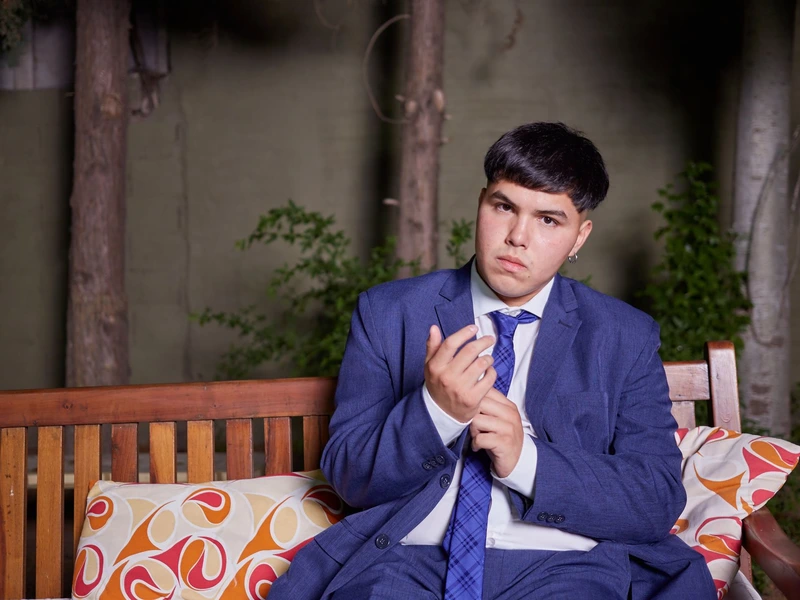
Derby Day, last spring
· FlemingtonBlack and white, a full lawn, and a wind off the straight that undid half the headpieces before the second race. Shot between races, where the crowd was rather than where the photographers were.


Best dressed, as we had it
Forty-odd entries were through the enclosure before midday and a south-westerly did more judging than the panel. Three we wrote down between races.
- Our pick
- Black crepe column, white cartwheel brim, no jewellery at all. It read from the far side of the lawn, which is the only test that counts at ten metres.
- Runner-up
- Ivory trouser suit, black grosgrain at the waist, and a hem still clean at the seventh. Everyone standing near the rail was marked by then.
- Millinery
- White sinamay percher, pinned through the hair and angled into the southerly rather than away from it. Still sitting straight after the last.
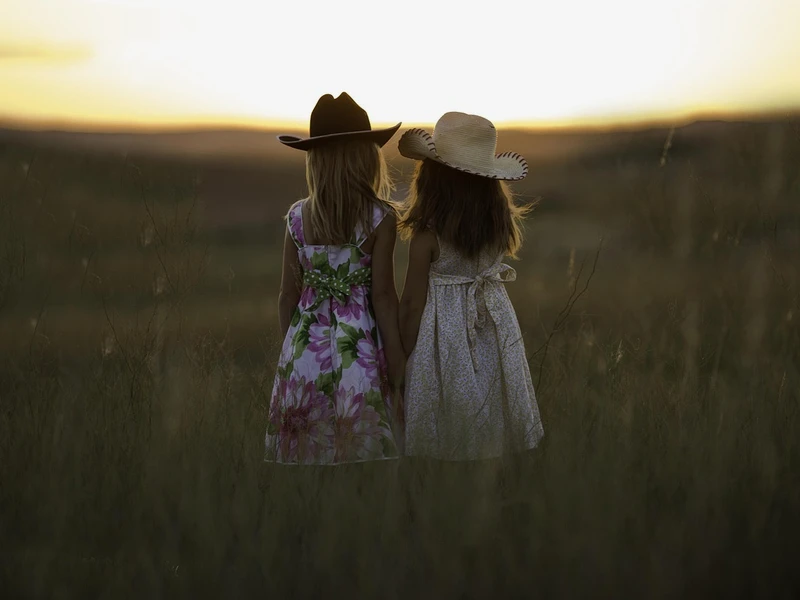
Autumn at Royal Randwick
· Royal RandwickSydney in April, warmer than the forecast promised, and a dress code loosened by about half a shade. Judging ran on the lawn in front of the grandstand.
Best dressed, as we had it
Sydney in April, the code half a shade looser than Melbourne, judging on the grass in front of the grandstand. Warmer than the forecast promised, and the linen won.
- Our pick
- Tan linen suit and a straw boater, no tie, nothing in it pressed into service from a wedding. It handled 26 degrees better than anything in wool.
- Runner-up
- Long green pleats, one colour from the headpiece to the hem, flats underneath where nobody was looking. She walked out at the pace she walked in.
- Millinery
- A low parasisal brim cut to sit under the eyebrow line, trim stitched rather than glued. The woman who blocked it was standing alongside and did not need to say so.
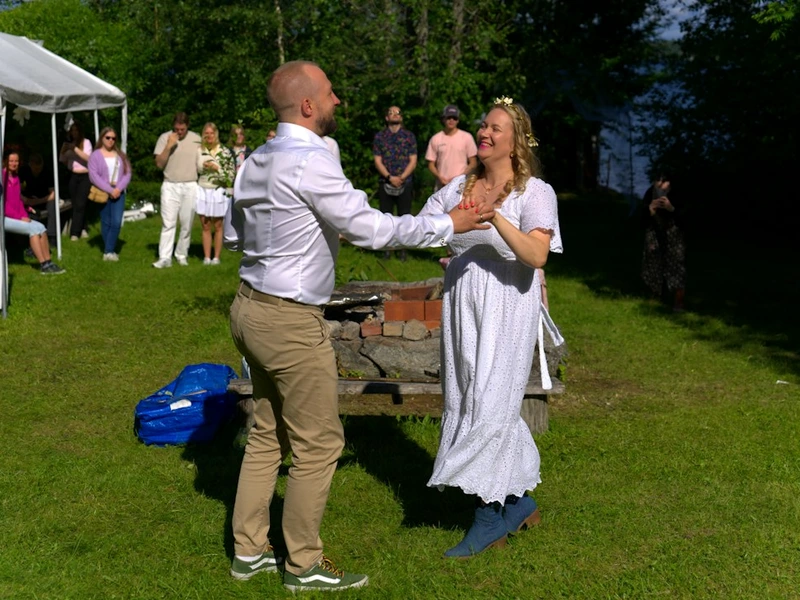
Stradbroke Day, Eagle Farm
· Eagle FarmBrisbane in winter, which means 24 degrees and no excuse for a coat. The queue for the fashion marquee was longer than the one at the bar, which does not happen in May anywhere else.


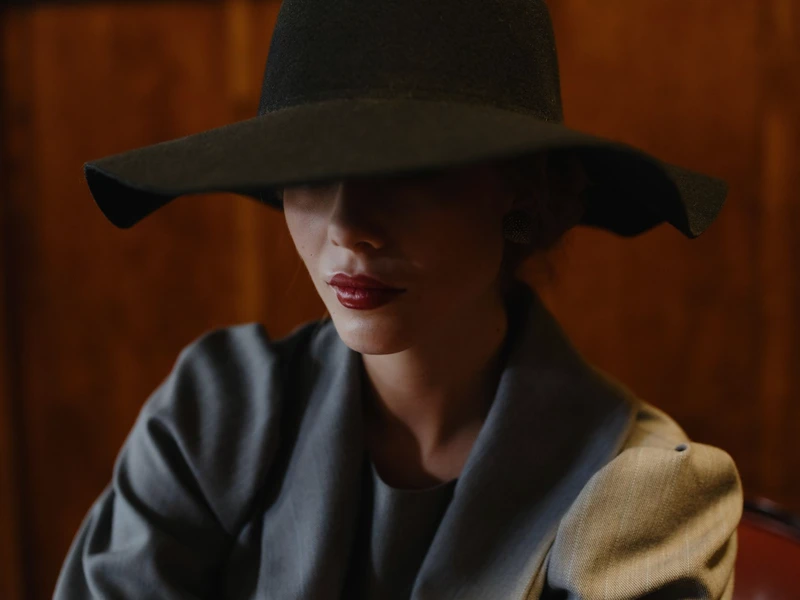

Best dressed, as we had it
Twenty-four degrees in the last week of May, the fashion queue longer than the one at the bar, and a lawn with no interest in Melbourne’s rules.
- Our pick
- Floral silk, narrow brim, flat sandals, and not one piece of it pretending to be a Derby Day outfit. Brisbane was right and a Flemington panel would have marked it down.
- Runner-up
- Unlined pale blue linen with an open collar. The jacket came off at the first and went back on for the judging, and showed no sign of either.
- Millinery
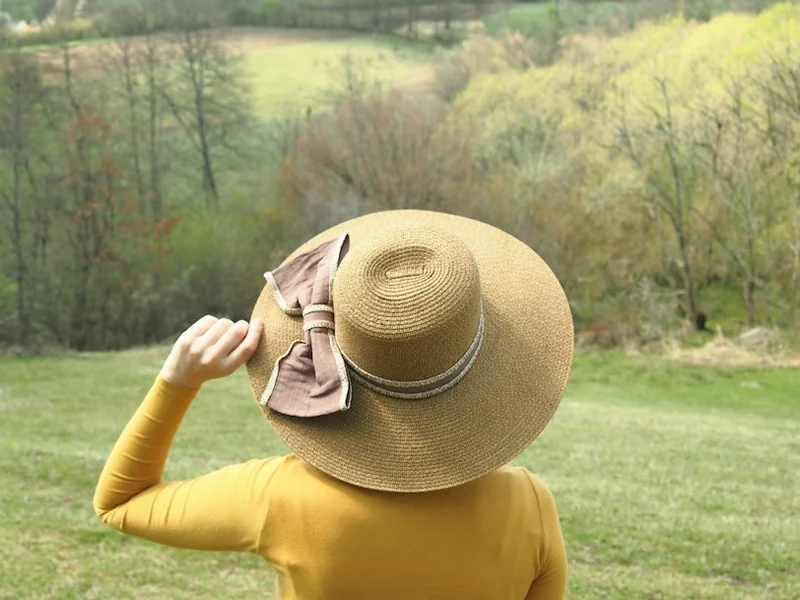
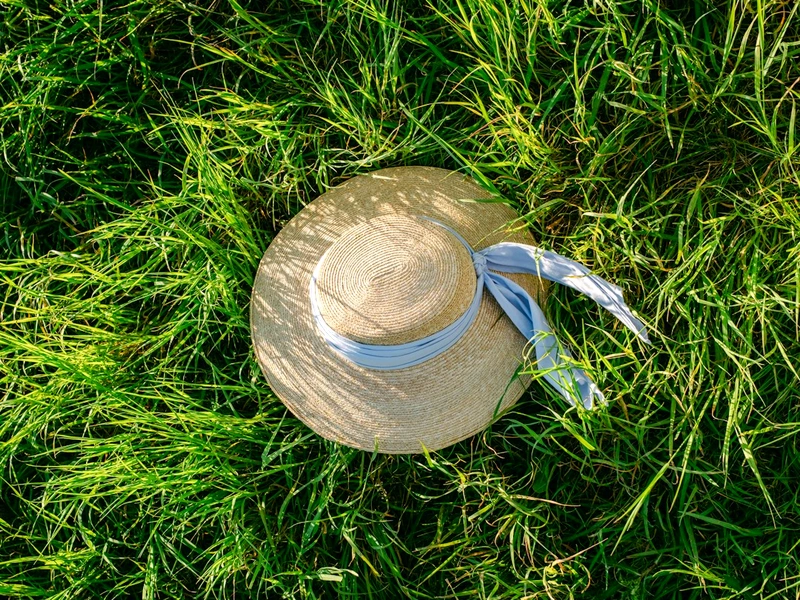
- The hand-blocked straw in the third frame: a plain band, no feathers, no flowers. The cheapest-looking hat on the lawn and probably the dearest.
Photographs by Punters News, shot between races where the crowd was rather than where the photographers were. Tap a photograph to open the full file.
The best-dressed picks are ours, made off the lawn between races and written down the same day. They are not the clubs’ judging results, and on two of these three days the panel went another way.
Dress codes, track by track
Every club publishes its own code and the people on the gate enforce it, not the website. Check the club in the week of the meeting. What follows holds for the 2026 spring.
Flemington. The Victoria Racing Club members’ enclosure is the strict one. Men need a suit or a sports coat with a collared shirt and a tie, and on Derby Day that is not an argument you win at the turnstile. Women are asked for dress of a similar standard. No denim, no sportswear, no running shoes. Out on the public lawn there is no code worth the name beyond footwear you can stand up in for eight hours, which is one reason the lawn is where the interesting clothes are.
Caulfield and Moonee Valley. Melbourne Racing Club and Moonee Valley members’ areas sit close to the Flemington line: jacket and tie for men, no denim, no athletic wear. Caulfield Cup day and Cox Plate night get enforced harder than a midweek meeting, for obvious reasons.
Royal Randwick. The Australian Turf Club asks for a jacket in the members’ reserve and turns away denim and sportswear. The lawn in front of the grandstand, the Theatre of the Horse, is general admission and dresses itself. Sydney runs half a shade more relaxed than Melbourne and a tie is optional across most of it.
Brisbane and Perth. Eagle Farm and Doomben want neat racewear in members’ areas and a jacket on the big days, and they want it rather less at 28 degrees. Ascot asks for no denim or sportswear in the members’ stand and is otherwise a conversation about the weather.
The thing nobody tells you: a corporate marquee can set a code stricter than the club’s, and the person on that door has a printed list. Ask whoever invited you, before you buy the shoes.
Eight hours on grass
The clothes are the easy part. Eight hours on a lawn is the hard part, and most of what goes wrong is logistics rather than taste.
Heels and lawn. A stiletto sinks. Not as a figure of speech: Flemington is watered turf over sand and a narrow heel goes in to the sole by the second race. A block heel or a wedge spreads the load and keeps you upright in a mounting yard crowd. Plenty of women carry a flat pair in a tote and change at the gate, and nobody has ever been marked down for it in the judging.
The walk. Flemington Racecourse station leaves you about 400 metres from the gates, uphill, in a crowd of twenty thousand. Randwick is a bus from the city and a walk in off Alison Road. Add fifteen minutes to whatever the app tells you and do not spend the last of it running in new shoes.
Sun. The lawn has no shade until the stand throws a shadow late in the afternoon. Sunscreen before you leave the house, again around the fourth, and a brim that is doing something besides decoration. A hat is the only piece of racewear with a practical argument behind it.
Melbourne. Cup week can run 30 degrees on the Saturday and 15 with a southerly on the Tuesday, and it has done both inside the last ten years. Look at the forecast on Thursday, then take a thin coat you are willing to carry all day rather than a good one you will leave under a chair.
The rest is small and it is what actually gets you to the eighth: blister patches, a hat pin, a comb, water between races, a bag that holds a phone and a biro. Leave after the eighth and you get a seat on the train.
A millinery primer
A hat is not an accessory at the races. It is the thing that decides whether an outfit reads from ten metres, and ten metres is the distance the judges and everybody else actually see you from.
The shapes. Three families. A brim, anything from a boater to a cartwheel, which frames the face and carries the whole outfit. A percher, small, built on a base, worn forward or off to one side. A band or halo, which sits like a crown and does its work in silhouette. Scale is the game: a wide brim wants a quiet dress, a loud dress wants a small piece.
Materials. Sinamay, woven from abaca fibre, is the spring workhorse. It blocks into almost any shape, holds up in heat and costs less than the alternatives. Felt belongs to autumn and winter and looks heavy in November. Parasisal straw sits between the two and photographs better than either. Silk and feathers are trim, not structure.
Fit. Measure your head before you order anything, because nothing looks worse than a hat riding high. A comb and elastic will hold a percher through a race day. A brim in the wind off the straight needs a pin put properly through the hair, not through the fabric on its own. Tradition puts a small piece on the right side of the head; milliners ignore that whenever the hair says otherwise.
Buying. A hand-blocked piece from a working milliner starts somewhere near $200 and has no ceiling, and the good ones close their order books in early September. Six to eight weeks is a normal wait. Hire is cheaper, the racks are picked over by Derby Day, and the fit will be approximate.
Then it goes in a box, and the box goes on top of the wardrobe for a year.
What the lawn is doing this spring
More analysisSix notes off the enclosure and the order books, written down in October rather than remembered in December.
Monochrome is a rule, not a theme
Derby Day is black and white and the judges can read cream across a marquee. A fair share of the entries that go out in the first heat go out on a fabric that turned out to be ivory in daylight.
Suiting has taken the lawn
Trouser suits and tailored sets keep turning up in the heats, and they hold their shape through eight hours in a way a long hem on watered grass does not.
Hire, not buy
Rental racks now cover most of the carnival, which is how one dress gets worn by four people in a week. The photographs outlast the wear either way.
Smaller pieces, better made
The cartwheel brim is down and the hand-blocked percher is up. Milliners say the order books fill earlier every year and shut in September.
Flats stopped being a confession
Block heels, loafers and a carried flat pair are all inside the enclosure now, and the judging has not noticed any difference.
The tie survives in one postcode
Flemington still wants a tie in its members’ enclosure while Sydney has quietly stopped asking. Unlined linen is how the difference gets survived in November.
Trend notes are editorial observation from the enclosure and from milliners who take orders. They are not the judges’ criteria, and the judges have been known to disagree with all of it.
Carnival reading
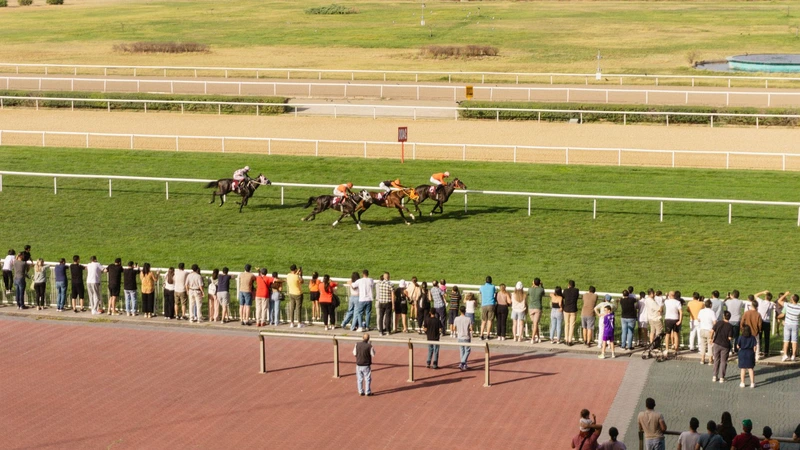
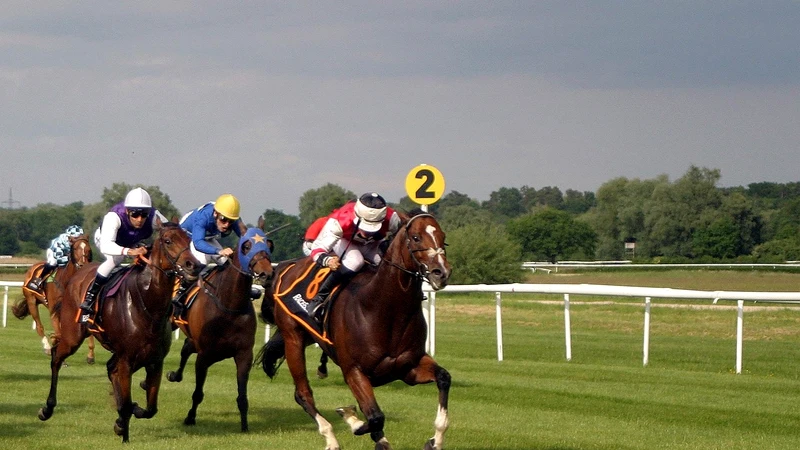
Odds shown are indicative market prices at time of publication and do not constitute a betting recommendation.
Get race previews in your inbox
Race previews, expert tips and breaking news — delivered to your inbox.