Country cups are the real season, and nobody films them
Feature 1,204 wordsAbout seven in ten Australian race meetings are run in the country. Forty of them a year make television. The other ones are where the sport actually lives.
 By Ray Donnelly
6 min read
You leave Melbourne at twenty past six to be at a country cup by half ten, and for the first hour there is nothing on the road but trucks and one bloke towing a boat in the wrong direction. The servo at Gisborne does a pie and a coffee for eleven dollars and the coffee is not good and nobody has ever complained about it. Past Kyneton the fog sits in the paddocks in flat white sheets and you can see the whole day coming.
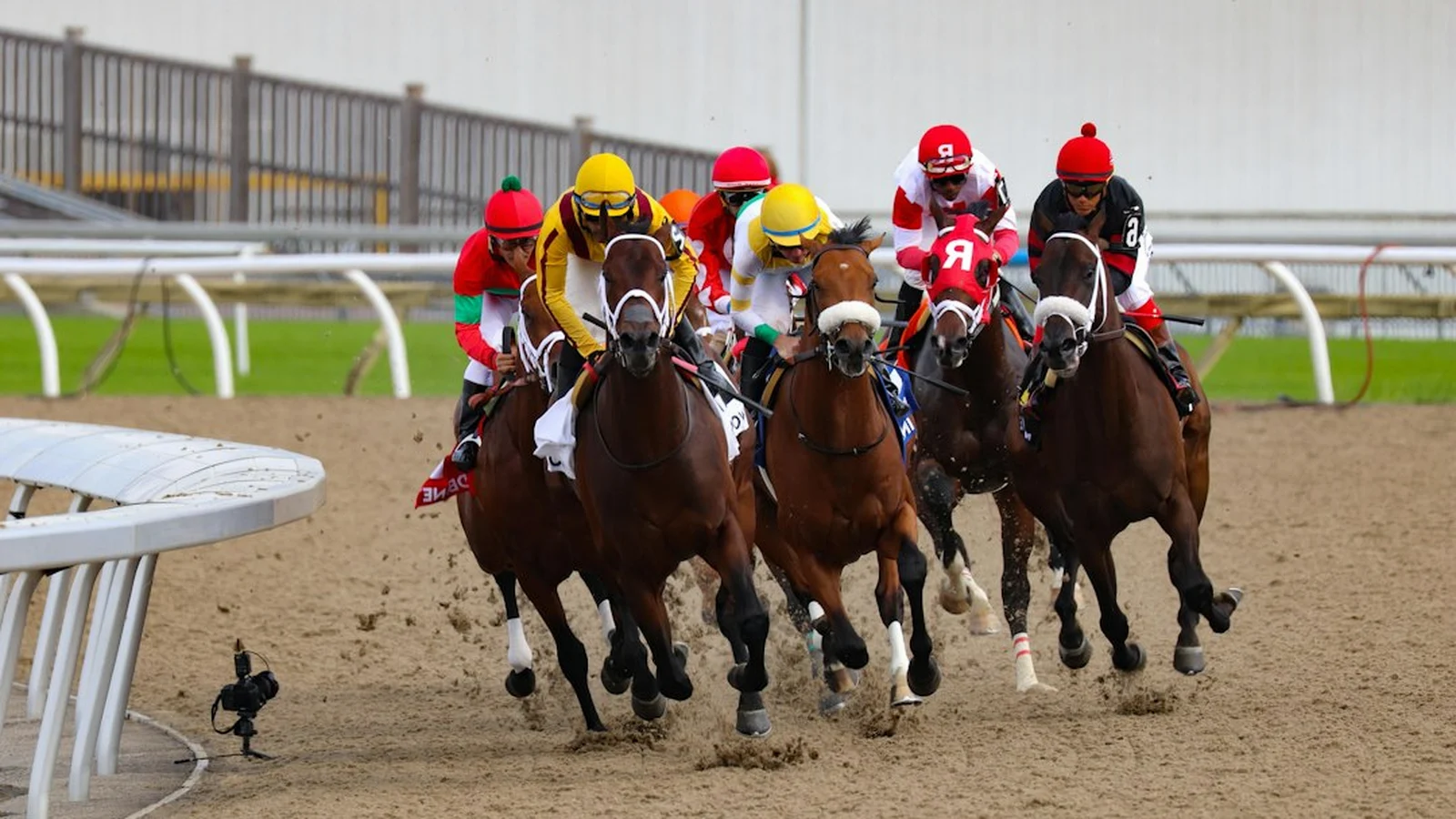
There are around 360 racecourses in this country and something near 2,700 thoroughbred meetings a year across them. Roughly seven in ten of those meetings are run in the country or the provinces. Maybe forty make free-to-air television. The rest go off in front of four hundred people, a course broadcaster on a PA that cuts out when the wind swings, and a judge in a box the size of a toilet.
Then once a year each of those tracks runs its cup, and four thousand people turn up.
One day a year
The gate is run by the footy club. Twenty dollars, cash preferred, a wristband in a colour that will be on the floor of the car for a month. The car park is a paddock and it has been slashed for the occasion, and a man in a high-vis vest waves you into a row with real authority. The members’ bar has an honour board with names going back to 1891 and four of those surnames are in the mounting yard today.
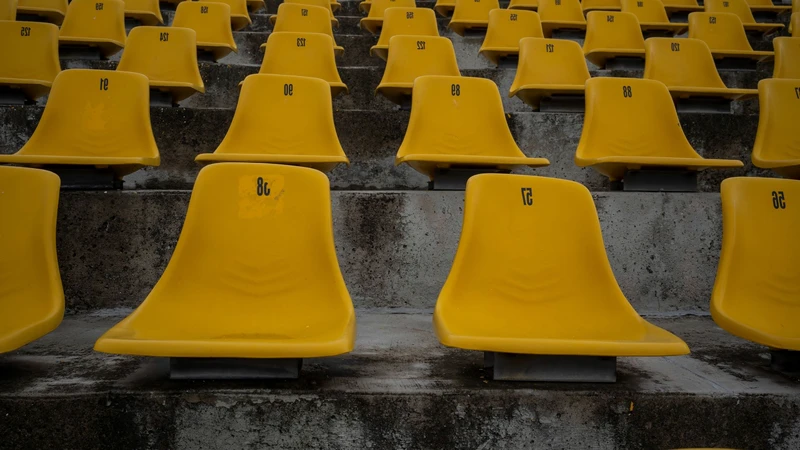
Inside the fence it is one bar, two tote windows, a bain-marie with four trays, a marquee hired from a firm in the next town, and a hill. The hill is the whole event. Families on rugs, an esky, a cricket bat, three generations of one family who have had the same patch of grass since the kids were the parents. The fashion judging is at a quarter past one and the sash is sponsored by the local stock and station agent.
The horses come from everywhere. Three floats down from town, two from across the border, a dozen from inside ninety kilometres. A country cup in Victoria is worth somewhere between $35,000 and $75,000, which does not sound like much until you put it against a midweek metropolitan handicap, where it holds up fine. That is why the floats come.
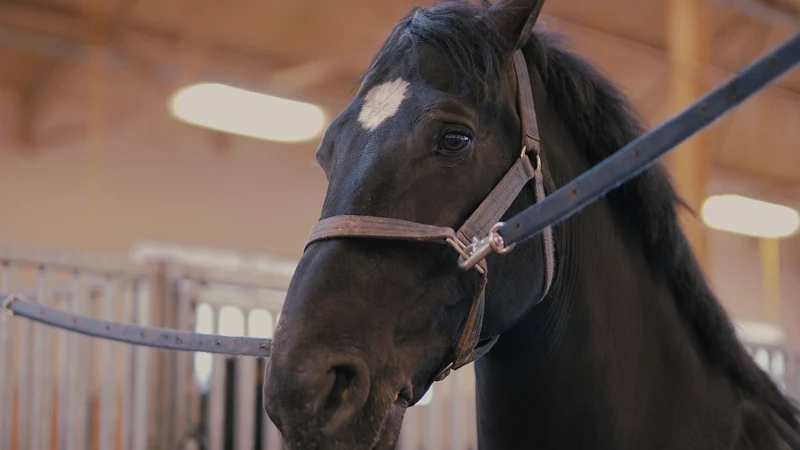
The trainer worth watching is the one with four in work out past the showgrounds. He has had this race circled since February. He works two horses himself at 4.40am on a grass track he mows, and the strapper is his daughter, who is seventeen and does it for nothing and knows more about the horse than anyone else on the course. One shot a year. If the horse runs third he will talk about it until Christmas, and he will be right to.
Pat Swanzy sends one out of Moonee Valley most years, which is the opposite trip and the same logic. Thirty-four in work, nineteen boxes, a man who was a farrier until he was twenty-seven and still shoes his own. He runs horses where they belong, says so to owners in writing, and has lost horses over it. A country cup is where a horse belongs more often than the owners would like to hear.
Lou Castellano drives his own float out of Morphettville, over the border, and stays at the same motel in Keilor he has used since 2011. Mallee Gold has had sixty-one starts and has been to Adelaide Cups and to country cups and the gelding does not appear to notice the difference. Dawn Shift is three and will go around in better company than this. He will still get a provincial trip somewhere in the autumn, because that is how you teach a horse to be a racehorse.
Up north it is the same picture with different grass. Marty Vosper has 378 runners a season out of Eagle Farm and Ten On The Nose has won five from fourteen mostly on the provincial circuit, and a Queensland country cup day in winter is the best-attended meeting some of those towns will see.
Where the riders come from
Tahlia Brough rode her first winner at a Sunday country meeting in front of maybe four hundred people. She is third on the national list now and she rides at 52.5kg and takes the Sydney flights for the three-year-olds. The four hundred people came first.
Emma Pridham is twenty-one, apprenticed out of Ballarat, and rides 142 horses in a season where the senior Melbourne riders ride four hundred. Twenty-nine of them have won, which is the best strike rate in the country, and she will tell you flatly that it is a function of smaller fields and the right horses and not of being better than anyone. She drives herself to most of it. Last Race Money won at Moonee Valley on 7 October with Pridham on her, a four-year-old mare rated 92, and a mare rated 92 is a country cup horse in February whatever anyone pretends in October.
Nobody is discovered in a country cup. They are just the races that are available, and the riders who take them are the riders who get the numbers up.
The cup is run at 2.40pm and the whole town has arranged its year around something that will take about ninety seconds.
The race, and then the highway
They go to the post late because the fashion presentation ran over. The field is eleven. The money comes for the horse from town, $2.60 into $2.40, and the bloke two rows back turns around to explain that he has had it since Tuesday. He is a good bloke. Watch where he queues and you will notice it is the smallest window on the concourse.
The horse from town leads, is tackled at the 400m, and holds on by half a length. Ninety seconds. The crowd makes a noise that is loud for four thousand people and then stops making it. The presentation takes four minutes, the trainer thanks the owners and the club, and the trophy is a silver cup that will live in a cabinet in a stable office in Caulfield next to eleven others.
The local horse ran sixth, beaten about three lengths, and the man with four in work is satisfied with it in a way he will not be able to explain to anybody at work on Monday. His daughter walks the gelding back with a rug over its quarters and a bucket in her other hand.
By four o’clock the hill has emptied and the rubbish bins are full. The bar has a one-day licence that runs out at seven. The floats go first, then the marquee crew, then the families, then the committee, who will be there until dark counting the gate. The drive home on the Western Highway is straight into the sun and there is a kangaroo standing in the gravel at Beaufort as if it has been waiting all day to be noticed.
Flemington is on in three weeks and there will be ninety thousand people there and twelve cameras. This was the season. The gate takings go to the footy club. Nobody writes that down either.
- Country racing
- Feature
- Provincial
- Cups
Odds shown are indicative market prices at time of publication and do not constitute a betting recommendation.

Comments (3)
The comments filed with the story were written at the desk, names and dates and all. Anything posted from the form below is the reader’s own.
Bazza, Ararat
You have described our cup day to the letter including the bloke in the high vis vest. He has been doing the car park for nineteen years and he is not to be argued with.
Jules M
The bit about the seventeen year old strapper knowing more about the horse than anyone on course is dead right and it is the same at every bush track I have been to.
Col from Bendigo
Three floats down from town and they take the cup home. Happens every year and we keep paying twenty bucks at the gate anyway.
Comments are open to registered readers. Sign in or create an account — we ask for a username, an email and a password, nothing else.