A jockey change moves the price more than the horse
Analysis 1,192 wordsA rider change is one line on a form page and the market treats it as news. On our own numbers the price moves about 12 per cent and the horse moves about a third of a length.
 By Marguerite Fenn
6 min read
Analysis. Ratings, sectionals and prices, with the working left in so it can be taken apart. It is not a selection and it is not advice.
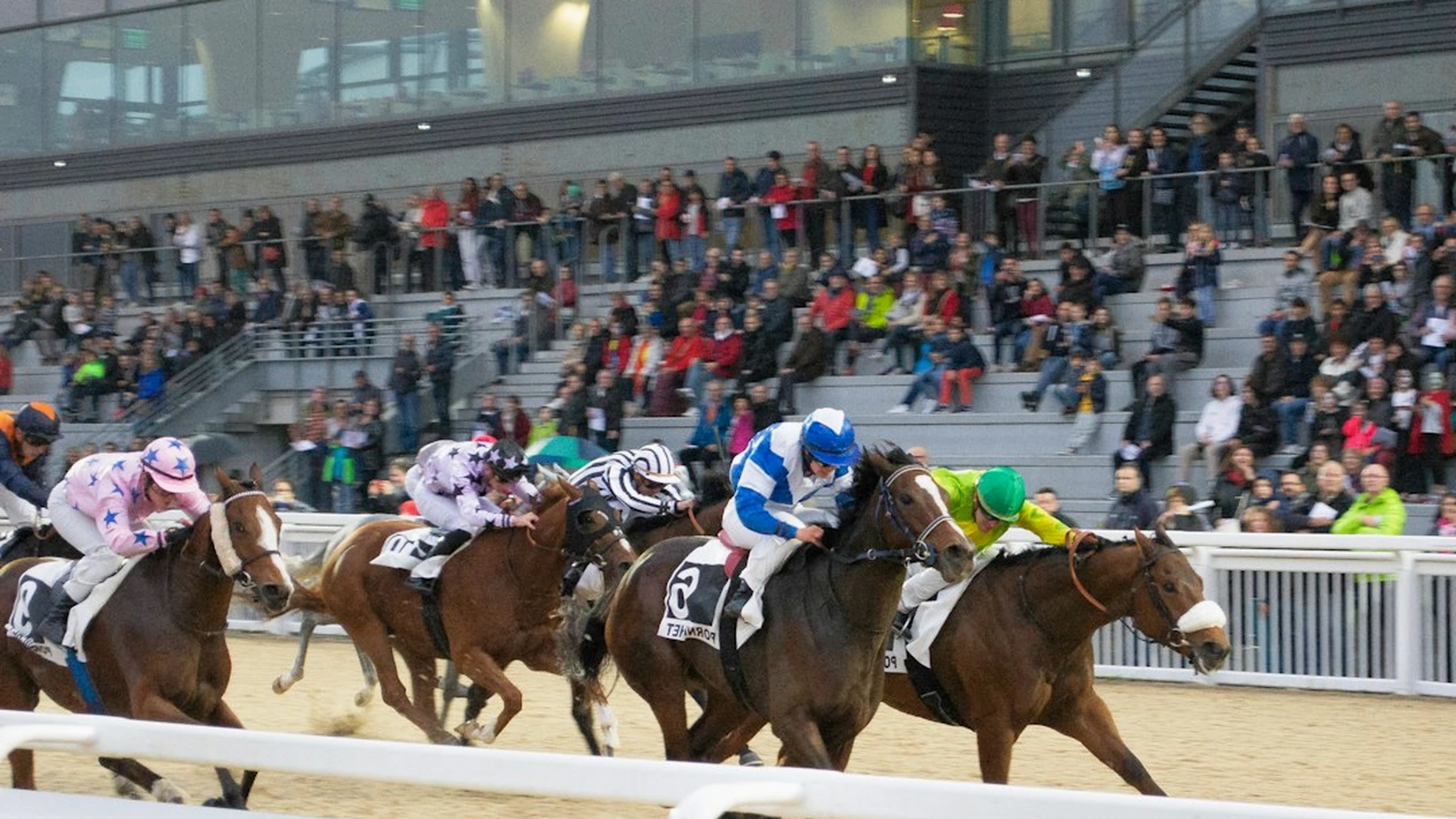
A rider change is the most legible line on a form page. It is one name, it arrives late, it is printed in bold by every service in the country, and it reads like information about intent. That is why the market moves for it, and the market moves for it a great deal further than the horse does.
On our own numbers, kept race by race for two seasons, a metropolitan runner whose rider changes while the weight, trip, track and class stay put moves about 12 per cent in the market. The finishing position moves by something like a third of a length. Those two numbers are not the same size, and the space between them is the whole subject.
Three that made the point this spring
Barrier Rogue. On 5 September at Caulfield, Soft 5, 1400m, Tahlia Brough riding at 58kg, ninth of fourteen beaten six and a half lengths at $5.50. On 26 September at Moonee Valley, 1600m, Good 3, Dallas Moore back aboard at 59kg, won by 0.4 lengths at $6.50. Dean McIlwraith changed the trip, the going and the rider at once, which is the honest reading of it, and the market priced the ninth and left everything else alone. He was a longer price winning than he had been when he ran ninth.
Nightwatchman. Kieran Vance has ridden the colt in all but a couple of his nine starts. The one time Rory McAleer took over, in the Ming Dynasty Quality at Rosehill on 12 September, he ran third on a Soft 5 over 1400m at $5.50, which was a rider change and the wrong trip arriving in the same week. Vance was back on a fortnight later for the Gloaming over 1800m and the colt won by 1.2 lengths at $3.60. The market read that as a rider story. Angus Redfern had been saying since August it was a trip story.
Ten On The Nose. Vance rode him into fourth at Doomben on 25 April at $5.50. Sam O’Keeffe came back on him and he won the Fred Best Classic at Eagle Farm three weeks later at $4.60, then ran second in the Queensland Guineas, and he has now finished within a length and a half of the winner in five of his last six. Marty Vosper does not change riders unless he has to. When he has to, the price assumes he had a reason. He usually did not.
Where it runs the other way
Grey Agenda is the counterexample worth keeping. Vance rode her to a 1.8-length win in the Tramway at $2.80 in August. McAleer came back on for the George Main and she ran second at $3.60, then won the Epsom Handicap on 3 October at $4.60 with 55.5kg against sixteen. The form improved at every start and so did the price, in the wrong direction. None of that is about the rider. The Epsom is a harder race than the Tramway, the weight was different and the field was bigger, and those three things did the work. You cannot tell from a price alone which input it is pricing.
Last Race Money went the same way in reverse. Fourth at Caulfield on 26 August at $7.00 with Dallas Moore up, then second at Flemington at $3.80 with Emma Pridham back in the saddle. The crowd read the apprentice returning as the positive, which it was, and as the only thing that had changed, which it was not. The mare also went from a Soft 5 over 1200m to a Good 3 over 1400m, and Wes Halloran had been telling anybody who asked which of those she wanted.
Velvet Ledger is the trap. Ninth of fourteen at Eagle Farm on 27 June with Brough replacing O’Keeffe, beaten seven lengths, $6.00. The rider changed. So did the track rating, and it was a Heavy 9. Anybody who filed that run under jockey change learned the wrong lesson and will go on paying for it.
The rider is the easiest line on the page to read, so it gets read first and paid for twice. The weight, which decides most handicaps, gets read last and paid for hardly at all.
What the change is actually worth
Separate the two things that arrive in the same line. A better rider on a horse that needs riding is worth something real, perhaps a length over 1600m on a tight track where a horse has to be in the right place twice. A change because the stable rider has been claimed for something better in the same race, or is suspended, or is at another meeting, is worth nothing at all, and it happens far more often. The form page does not distinguish between the two. The market mostly cannot either, so it prices all of them as news.
The same arithmetic applies to 100 metres of trip. A sprinter dropping from 1200m to 1100m is the same horse with the same engine, and the price will move 10 or 15 per cent because the number on the page is different. Quiet Riot has raced at 1000m, 1100m and 1200m this preparation at Ascot for Jenna Tyrrell and has been beaten no further than 1.2 lengths at any of them. The market has had her between $2.40 and $4.00 across those runs, and her ability did not vary by sixty per cent in six months.
There is one more thing worth saying about it, and it is not flattering to any of us. A rider change is a story, and stories are what get written on a Thursday. A kilo and a half of weight is not a story. Nobody in a press room has ever filed four hundred words on a horse going from 57kg to 55.5kg, which is a bigger effect over 2400m than most of the rides discussed all spring.
None of this is a method and there is nothing here to subscribe to. Almost nobody is in front across a season, and this masthead publishes its own tipping record with the negative return printed on it so the point cannot be mistaken. What the pattern gives you is a question to ask when a price looks wrong: what changed, and was it the rider, or was it the four other things that changed at the same time.
The Everest is run at Randwick on 17 October. Cheap Seats has Vance, who has ridden him in four of his last six. Smoko has McAleer, who has ridden him at every start this year. Quiet Riot has Brodie Latham, who has been on her at every start this preparation and most of her career. There is not a rider change in the top half of that market, so whatever the prices do over the next ten days will be about something else entirely.
Prices quoted are indicative market figures at the time of writing and are published as a market indicator only. Analysis on this page is editorial opinion and not advice of any kind.
Rider changes are declared and published through the week, and by Saturday afternoon nobody in the stand can remember who was first down to ride. The horses go around in the order they were always going to go around in.
The number on the board is the only thing that moved.
- Jockeys
- Markets
- Form
- Analysis
Odds shown are indicative market prices at time of publication and do not constitute a betting recommendation.
Tips are editorial opinion only — not financial advice or a recommendation to wager.


Comments (3)
The comments filed with the story were written at the desk, names and dates and all. Anything posted from the form below is the reader’s own.
Dennis, Dapto
The bit about the stable rider being claimed elsewhere is the one people never think about. Half the changes in a given week are a float timetable and nothing more.
Shirl
Backed Barrier Rogue at the Valley on the strength of the rider coming back and got six fifty for it. Still cannot work out why he was longer than the week he ran ninth.
Pricey
Twelve per cent on the price and a third of a length on the horse. Put that on a card and hand it out at the gate. It would save people a lot of money and the game would hate you for it.
Comments are open to registered readers. Sign in or create an account — we ask for a username, an email and a password, nothing else.