Perth, WA
Ascot
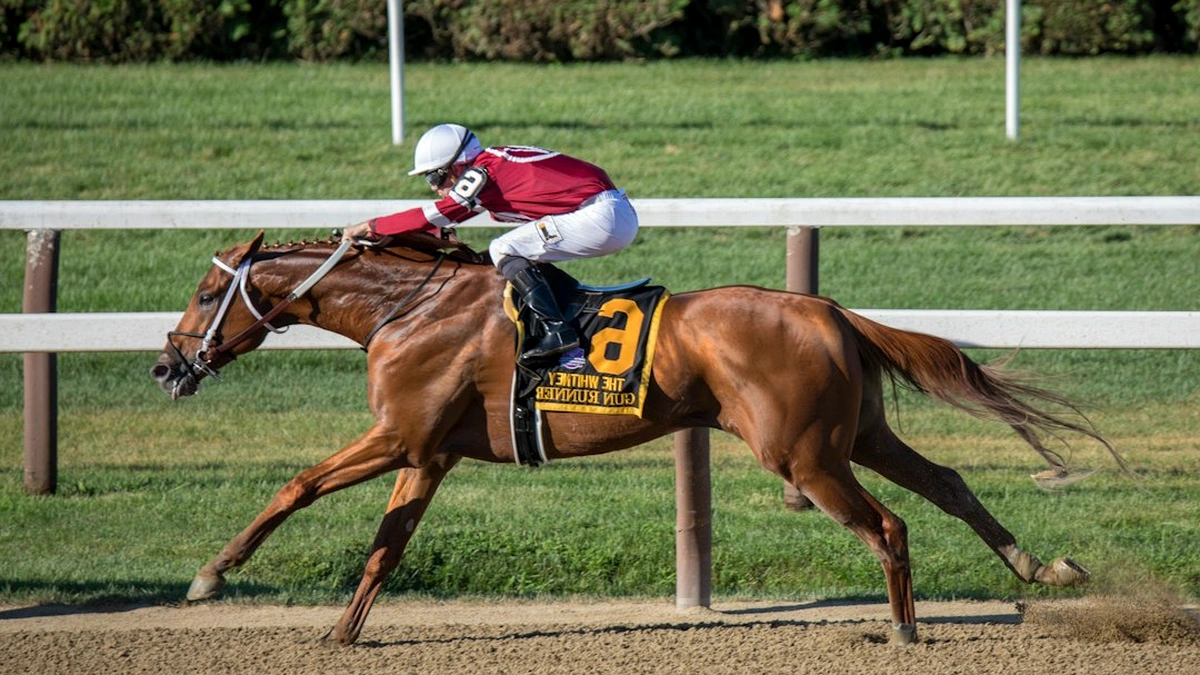
Perth’s summer track beside the Swan River: left-handed, about 2000m around, with a 320m straight and the state’s best racing from October to April.
 By Ray Donnelly
Updated
Track guide, kept current through the season: the configuration, the going notes, the standard times and the race days are read back each week of the carnival. Clubs move the rail and the gate times in the last few days and they do not always say so.
The facts
Every trackThoroughbred WA Perth Racing
Circumference and straight are the course proper. Capacity is the club figure for a full house, which at most tracks has been reached once and talked about ever since. Rail positions are published by the club during the week and move the fresh ground as well as the trip.
The shape of the track
Ascot is a left-handed circuit of about 2000m with a straight of roughly 320m, laid out on sandy river flats beside the Swan. The short straight and the tight second turn make position the first thing to settle in any speed map: a horse that can lead or sit outside the leader is in the race, and one that gets back and wide is in a different race with the same name. Over 1600m, which is the Railway Stakes trip, the winner is usually in the first five at the 600m.
Western Australian form is its own ecosystem. The good horses stay home for the summer because the Group 1 prizemoney is here, the fields are smaller than the east, and the same twenty stables fill most of them. That makes the locals formful and the visitors hard to rate, and it also means a good WA sprinter can arrive in Melbourne badly underestimated, which has happened often enough to be a pattern rather than a story.
The sand base matters as much as the shape. It drains, it holds up in heat, and it does not cut up the way a clay-based eastern track does, so a 36-degree Saturday in January produces a sound surface and quick times. It also means the going description changes less than it should, and the clock is the better guide.
What the track does to a race
The sand base is the whole story: Ascot races sound in heat and recovers from rain faster than anything in the east, so ratings of Good 3 and Good 4 are the norm and a Soft track is news. Afternoon sea breezes come in off the coast and the back straight gets the worst of it, which stiffens the tempo and helps the leaders more than it looks like it should. Small fields mean short prices and a lot of five-and-six-horse races where the market is close to right. The edge here is local knowledge and the clock, in that order.
The races that matter here
The race cards| Race | Grade | Distance | Card |
|---|---|---|---|
| Ascot Open Mile | Open Handicap | 1600m | Field and form → |
| Railway Stakes | Group 1 | 1600m | Not carded |
| Winterbottom Stakes | Group 1 | 1200m | Not carded |
| Kingston Town Classic | Group 1 | 1800m | Not carded |
| Perth Cup | Group 2 | 2400m | Not carded |
Scroll the table sideways to see every column.
5 features on the list, 1 of them carded here. The rest are run outside the window we hold fields for, which is most of the year.
Next race days here
The calendar| Date | Race | Grade | Distance | Prizemoney |
|---|---|---|---|---|
|
3.30pm, in 15 days |
Ascot Open Mile
10 to run |
Open Handicap | 1600m | $130,000 |
|
in 36 days |
Railway Stakes | Group 1 | 1600m | $1,500,000 |
Scroll the table sideways to see every column.
1 of those 2 days carries a full card here with the field, the barriers and the weights. The other is a calendar entry: the race is on, the form is not written yet.
Data as of 16 October 2026. Dates, distances, prizemoney and standard times are as published by the club and move without notice. Verify with official sources before acting.
Standard times
| Distance | Standard time |
|---|---|
| 1200m | 1:10.40 |
| 1400m | 1:22.80 |
| 1600m | 1:36.40 |
| 1800m | 1:49.80 |
| 2200m | 2:17.00 |
| 2400m | 2:30.00 |
A standard time is the benchmark for the trip on a Good 3 or 4 with the rail true. Two seconds outside it on a Soft 6 means nothing; two seconds outside it on a firm track means the race was run slowly and the winner beat the horses that were there, which is all it ever beat.
History
Horses were raced on the Ascot flats from 1848, and the Western Australian Turf Club, which now trades as Perth Racing, was formed in 1852 and took the course on. The club runs two tracks and splits the year between them: Ascot takes the summer season from around October to April, Belmont Park carries the winter, which is a sensible arrangement in a city where the river floodplain decides a lot of things.
The older grandstands are heritage listed and still in use, which gives the place a look the eastern tracks have largely renovated away. The Railway Stakes, run since 1887, remains the state’s premier race, and the Perth Cup on New Year’s Day remains the day the whole city turns up, dresses up and gets sunburnt. Not much about either has needed changing.
Getting there
- By train
- Redcliffe station on the Airport line is about two kilometres away, with Transperth buses along Great Eastern Highway running closer to the gates.
- By car
- Ten to fifteen minutes from the Perth CBD via Great Eastern Highway, with the course entrance on Grandstand Road.
- Parking
- Free on-course parking off Grandstand Road, which fills early on Perth Cup day and almost never otherwise.
- Access and gates
- Step-free entry at the Grandstand Road gates, accessible parking beside the stands, and accessible toilets and viewing through the public areas.
Public transport runs to a race-day timetable and a full house empties slower than it fills. The pros walk out after the eighth and are on the train before the last is called; everybody else is in the car park at six, waiting for the row in front to move.
Get race previews in your inbox
Race previews, expert tips and breaking news — delivered to your inbox.