Welfare
Victoria lifts the rehoming fund, and the maths still bites
Victoria will spend $18.6 million on off-the-track programmes over three years and lift the retirement subsidy to $1,500. Here is what that buys and what it does not.

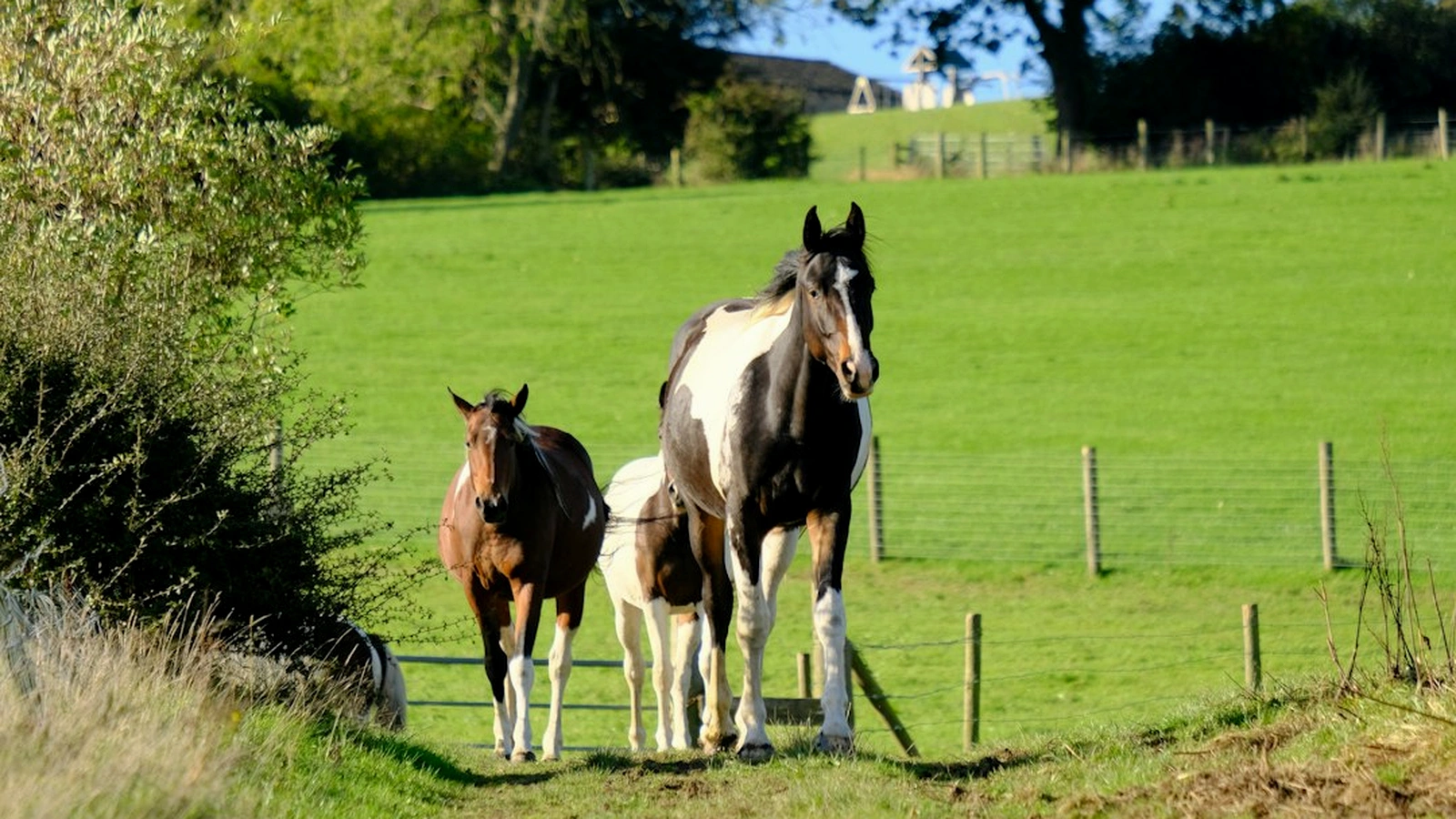
Victorian racing will put $18.6 million into off-the-track programmes over the next three years, against $14.2 million across the last three. The retirement subsidy paid when a thoroughbred comes out of the register goes from $1,000 to $1,500, with a further $500 payable at the twelve-month traceability check. Notification of retirement stays compulsory inside thirty days.
Those are the numbers. The rest of this is arithmetic.
About 1,300 thoroughbreds leave racing in Victoria in a year. Agistment in the Macedon Ranges or out past Bacchus Marsh runs $160 to $200 a week, and that is paddock, water and hay, not a farrier and not a vet. A full retraining programme, the kind that turns a six-year-old gelding with a shelly off-fore into something a sixteen-year-old can ride on a Sunday, is eight to fourteen weeks at $350 to $500 a week. Two thousand dollars covers roughly eleven weeks of standing in a paddock. It does not cover the retraining and it was never built to.
That is not an argument against the money. It is the size of the money, said plainly, which is more than the industry usually manages.
What the money buys
Roughly 60 per cent of the fund goes to accredited retrainers on a per-horse basis, with the rest split between traceability administration, owner education and the emergency welfare pool. The pool is the line item worth watching. It goes from $420,000 to $1.1 million over the three years, and that pool exists for one reason: a horse whose registered owner has stopped answering the phone. Nobody publishes how often that happens. The number they have budgeted for it is a reasonable estimate.
Pat Swanzy trains thirty-four horses out of nineteen boxes behind the Moonee Valley straight and has retired eleven out of the stable in nine seasons. He was a farrier until he was twenty-seven and still shoes his own.
Fifteen hundred dollars does not change the decision. It pays for the float and the first month of agistment, and it means I can ring the owners and have a conversation instead of an argument. That is worth more than it sounds.
The complication is that this is a state scheme inside a national industry, and horses do not read the borders. Eighth Race has had forty-four starts for Jenna Tyrrell at Ascot for nine wins and $940,000, and has not been within three lengths of a winner in six runs. He is six years old, he has been scoped, scanned and spelled, and the reports keep coming back clean. He is also a Western Australian horse, so none of the Victorian money reaches him, and Western Australia runs a smaller programme of its own.
Lou Castellano has the same problem at Morphettville in a state where the whole prizemoney pool is a fraction of Victoria’s. South Australian rehoming funding is about a sixth of what was announced this week, for a thoroughbred population roughly a fifth the size. The per-horse figure is therefore close to the same, which is either a coincidence or the only honest way to do it.
The traceability side is the part that will decide whether any of this works. A retirement form filed inside thirty days produces a record; a record produces a check at twelve months; a check at twelve months produces a horse somebody can find. Without the first step the money is a transfer payment with no audit trail attached to it. Victoria has been on that system for several years now and the compliance rate is good rather than complete.
Sugar and Steel is five and has won seven races from twenty-four starts for Swanzy with seventeen placings in the first three. On any realistic reading she has two seasons of racing left and then about twenty-five years of being somebody’s horse. The second number is the one nobody budgets for, in any state, and it is the only number in this story that is certain.
The forms go in within thirty days. Somebody still has to read them.
- Welfare
- Rehoming
- Off The Track
- Industry funding
Mentioned in this story
Every runner, rider, trainer and track named above, with its profile, form and record.
- Horses
- Eighth Race, Sugar and Steel
- Jockeys & trainers
- Pat Swanzy (trainer), Jenna Tyrrell (trainer), Lou Castellano (trainer)
- Racecourses
- Moonee Valley, Ascot, Morphettville
Comments (3)
The comments filed with the story were written at the desk, names and dates and all. Anything posted from the form below is the reader’s own.
Col from Bendigo
Had two off the track over the years and the retraining was the expensive bit, not the paddock. Good to see somebody do the sums out loud for once.
Trish, Sunbury
The emergency pool going up two and a half times is the line nobody will quote. That tells you plenty about the last three years.
Westie1983
Over here in Perth we get a fraction of that and the same horses need the same homes. Eighth Race will be fine, he is in good hands, but plenty are not.
Comments are open to registered readers. Sign in or create an account — we ask for a username, an email and a password, nothing else.