Welfare
Cup screening: every runner scanned before it starts
Every Melbourne Cup runner is imaged, examined and signed off at least four times before it walks on to the track. The protocol, the numbers and who pays for it.
 By Clive Batterham
2 min read
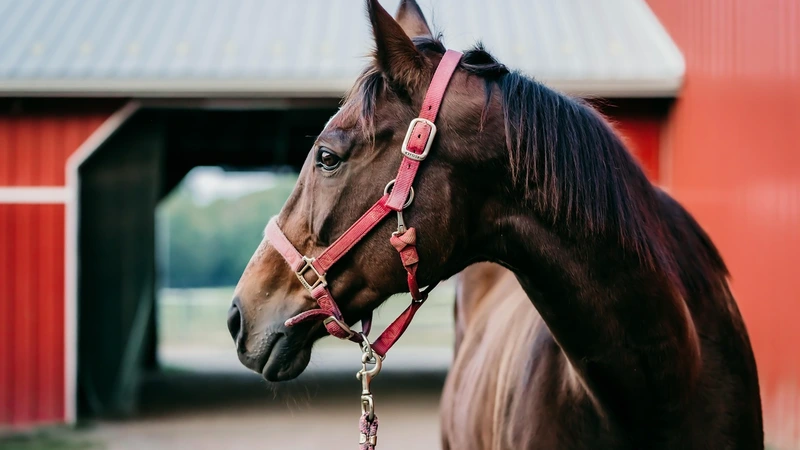
Every horse that walks on to the track for the Melbourne Cup on 3 November will have been examined, imaged and signed off at least four times before it gets there.
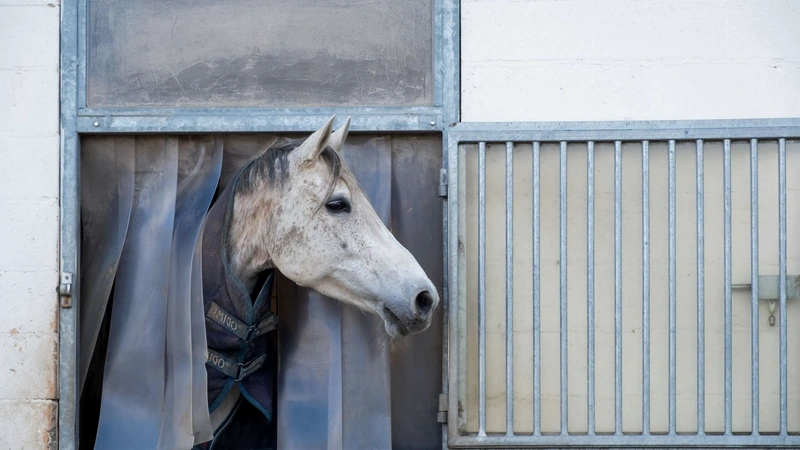
The protocol has not changed a great deal in two years and it runs in this order. Each nomination submits its full racing and trackwork history for review, including any lameness or treatment record. Each horse then has a standing CT scan of both forelimbs, fetlock through carpus, inside the fortnight before the race. Anything the imaging flags goes on to scintigraphy or MRI before the horse is cleared. There is a veterinary examination at 72 hours out, a trot-up on the Monday, and a final examination at Flemington on the Tuesday morning, after which a horse can still be withdrawn and occasionally is. International runners add quarantine examinations at Werribee and a second round of imaging after they arrive.
The case for all of it sits in one set of numbers. Across the last three runnings, eleven horses have been withdrawn from the Cup or its immediate lead-up races on veterinary advice after imaging. Five of those eleven had shown no lameness, no change in trackwork and nothing a trainer could have felt down a leg. A horse that is not lame can still be three weeks away from a fracture, and the only way to know is to look inside the limb.
Ironbark Lad goes through the full schedule this year, carrying 55.5kg from barrier 11 for Wes Halloran, and comes into it off the Caulfield Cup on Saturday. Mallee Gold is in at 53.5kg for Lou Castellano, who has not had a Cup runner before and says he has read the schedule twice and still put the Werribee date in his phone twice.
The imaging is paid for by the club and the principal racing authority, which is the right way around. The cost of a withdrawal is carried by the trainer, the owners and about forty people who have already paid for flights and a marquee table. Nobody has worked out how to fix that part, and the screening is not the thing that needs fixing.
The scans run through next week. Most of them will show nothing.
- Welfare
- Melbourne Cup
- Veterinary
- Screening
Mentioned in this story
Every runner, rider, trainer and track named above, with its profile, form and record.
- Horses
- Ironbark Lad, Mallee Gold
- Jockeys & trainers
- Wes Halloran (trainer), Lou Castellano (trainer)
- Racecourses
- Flemington
Comments (2)
The comments filed with the story were written at the desk, names and dates and all. Anything posted from the form below is the reader’s own.
Tony D
Five out of eleven with no lameness at all is the stat that ends the argument. Scan them.
Hamish, Ballarat
Had an owner in a syndicate that got scratched out of a Cup lead-up on a scan. Gutted at the time, horse raced another two seasons. Takes a while to see it that way.
Comments are open to registered readers. Sign in or create an account — we ask for a username, an email and a password, nothing else.