Sydney, NSW
Royal Randwick
Sydney’s big, roomy championship track: 2224m right-handed, a 410m straight and a rise at the finish that sorts out the pretenders.
 By Ray Donnelly
Updated
Track guide, kept current through the season: the configuration, the going notes, the standard times and the race days are read back each week of the carnival. Clubs move the rail and the gate times in the last few days and they do not always say so.
The facts
Every trackThoroughbred NSW Australian Turf Club
Circumference and straight are the course proper. Capacity is the club figure for a full house, which at most tracks has been reached once and talked about ever since. Rail positions are published by the club during the week and move the fresh ground as well as the trip.
The shape of the track
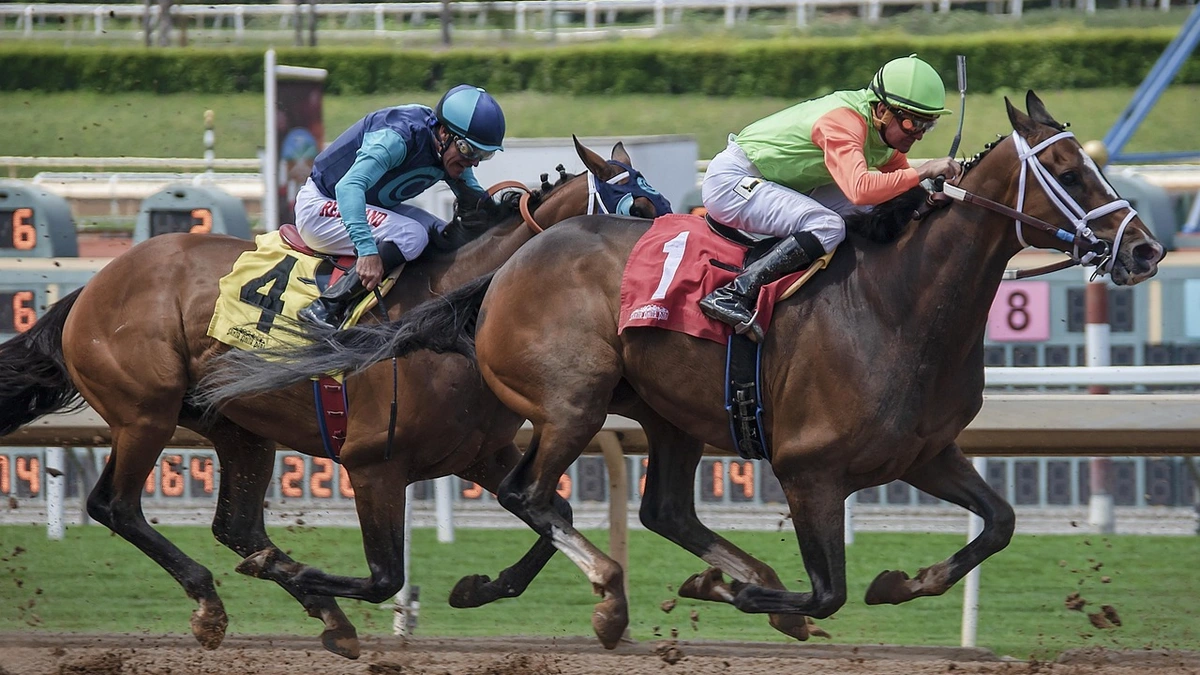
Randwick is the roomiest big track in the country. The circuit is 2224m, the straight is 410m, the turns are long, and the ground rises for the last 200m into the post. Put those together and you get the fairest Group 1 racing in Australia: the draw costs less here than anywhere else, the horse that is good enough usually gets the chance to show it, and excuses are harder to make with a straight face.
The rise is the part the form guide undersells. A horse that has been winning sprints at a flat track can lead to the 200m at Randwick and still be run down, because the last bit asks a question about sustained speed rather than acceleration. Over 1600m and 2000m that makes it a genuine test, which is why the autumn championship races are programmed here and why the winners tend to travel well afterwards.
There are two tracks inside the one fence. The course proper is used for the Saturdays and the carnival days; the inner Kensington track takes the midweek meetings and rides tighter, with less room on the turn and more value in a forward position. Form from one does not transfer cleanly to the other, and plenty of people read the past starts without noticing which track they were run on.
What the track does to a race
Randwick’s sand base means it takes rain and keeps racing: a Heavy 8 here is still a genuine race, which is not true everywhere. Watch the rail position, because a long way out can turn the home turn into a one-lane road for a couple of races until the riders work it out. Backmarkers win here more often than they win at Caulfield, so the on-pace horse is routinely a longer price than its chances deserve. The rise at the end is where the honest ones get paid.
The races that matter here
The race cards| Race | Grade | Distance | Card |
|---|---|---|---|
| The Everest | Group 1 | 1200m | Field and form → |
| Golden Eagle | Group 1 | 1500m | Field and form → |
| Doncaster Mile | Group 1 | 1600m | Field and form → |
| Queen Elizabeth Stakes | Group 1 | 2000m | Field and form → |
| Sydney Cup | Group 1 | 3200m | Not carded |
Scroll the table sideways to see every column.
5 features on the list, 4 of them carded here. The rest are run outside the window we hold fields for, which is most of the year.
Next race days here
The calendar| Date | Race | Grade | Distance | Prizemoney |
|---|---|---|---|---|
|
4.15pm, tomorrow |
The Everest
12 to run |
Group 1 | 1200m | $20,000,000 |
|
4.10pm, in 15 days |
Golden Eagle
16 to run |
Group 1 | 1500m | $10,000,000 |
Scroll the table sideways to see every column.
All 2 of those days carry a full card here: the field, the barriers, the weights and the form, all of it written at this desk. At a real meeting the stewards publish scratchings on the morning and change half of it.
Data as of 16 October 2026. Dates, distances, prizemoney and standard times are as published by the club and move without notice. Verify with official sources before acting.
Standard times
| Distance | Standard time |
|---|---|
| 1200m | 1:09.20 |
| 1400m | 1:21.40 |
| 1600m | 1:34.00 |
| 2000m | 2:01.20 |
| 2400m | 2:26.20 |
| 3200m | 3:19.50 |
A standard time is the benchmark for the trip on a Good 3 or 4 with the rail true. Two seconds outside it on a Soft 6 means nothing; two seconds outside it on a firm track means the race was run slowly and the winner beat the horses that were there, which is all it ever beat.
History
Horses were raced on the sandhills at Randwick from 1833, and the Australian Jockey Club moved its operations there in 1860, which is the date the modern course dates itself from. The Queen granted the Royal prefix in 1992. In 2011 the AJC and the Sydney Turf Club merged to form the Australian Turf Club, putting Randwick, Rosehill Gardens, Warwick Farm and Canterbury under one administration.
Phar Lap won the AJC Derby here in 1930, which is the bit of the history that gets retold, and the course has been rebuilt around that memory more than once. The current grandstand opened in 2013 and turned the public end of the track into something you can actually stand in when it rains. The Everest arrived in 2017 and brought a younger, louder October crowd that does not know who Phar Lap beat and is not required to.
Getting there
- By train
- The L2 Randwick light rail from Circular Quay via Central stops at Royal Randwick and Wansey Road, both a short walk from the gates, with buses 372, 373 and 374 the other option.
- By car
- Fifteen minutes from the CBD via Anzac Parade or Alison Road, slower on carnival Saturdays.
- Parking
- Limited paid on-course parking off Alison Road, with metered street parking through Randwick and Kensington that is heavily patrolled.
- Access and gates
- Step-free entry at the Alison Road gates, lifts throughout the Grandstand, accessible seating and accessible toilets on every public level.
Public transport runs to a race-day timetable and a full house empties slower than it fills. The pros walk out after the eighth and are on the train before the last is called; everybody else is in the car park at six, waiting for the row in front to move.
Get race previews in your inbox
Race previews, expert tips and breaking news — delivered to your inbox.